Fencing Painting Solutions by Fence Company
There's a specific kind of pride that comes with a freshly repainted fencing. It frameworks the backyard like a crisp photo framework, and it quietly tells the community you appreciate information. Yet the moment you begin searching, you discover quick that fencing painting is not practically getting hold of a roller and adding shade. It's prep work, timing, dampness monitoring, and knowing when paint is the right tool and when it's not.
If you are employing a fence company for fencing paint services, you desire more than "we'll paint it." You desire a crew that understands what's occurring under the surface area, just how materials act in sun and rain, and how to make the coating last via actual weather condition, not ideal laboratory conditions.
I've enjoyed great paint jobs fail early since the work started after the wood was currently taking in water, or due to the fact that the wrong guide was made use of on slick, weathered boards. I have actually likewise seen the opposite, when a mindful prep and a smart item option turned an exhausted fence right into something that looked good enough to quit people in their tracks.
This overview is how to think of fence painting from scratch, including what a solid fence company need to do, what can fail, and exactly how to make your project feel daring instead of stressful.
The hidden job: why prep makes a decision everything
Fence paint lives or passes away on preparation. Most people imagine the "paint day" as the centerpiece, however, for experienced teams, the real job takes place prior to the very first layer ever touches the surface.
Uncoated timber, weather-beaten metal, peeling paint, mold, dust accumulation, and old discolorations all alter exactly how brand-new finish acts. Paint does not bond well to grime, and it won't seal wetness trapped below a stopping working coating. If you skip preparation, you may get a good look for a period, after that blistering and peeling off show up like the fencing is telling you, "I really did not accept this."
When a fence company does it right, they treat the fence like a surface with a past. They seek:
- Sun-faded areas that might be drier and more brittle
- Dark touches from algae or mildew
- Spots where previous paint is lifting, flaking, or chalking
- Nails and equipment that can hemorrhage rust discolorations otherwise taken care of correctly
Those monitorings decide the product line and the approach. A comprehensive approach generally implies cleaning, scuffing, fining sand where required, and then priming with the proper chemistry for the surface and the topcoat.
And another point that obtains forgotten: temperature level and drying out conditions. Paint may dry to the touch quickly, but curing takes much longer. If you paint right before a hefty dew cycle or a rain home window, you can trap dampness in the covering. That can result in a cloudy coating or minimized bond, particularly on porous wood.
Choosing the best paint and guide for your fence
People commonly ask whether they ought to use "outside paint" or "stain." The sincere response is that both can function, yet the very best choice depends upon what your fence is constructed from, just how it's been dealt with previously, and how much maintenance you want to do.
For wood fences, outside paint generally supplies an extra consistent color and more powerful barrier insurance coverage. For some circumstances, discolor permeates far better and can highlight the all-natural grain. If your goal is strong, regular shade across the entire line, paint is generally the cleanest aesthetic result.
But paint selection is not nearly color. The guide issues because it bridges the gap in between old surface problem and brand-new overcoat. A fence company that has done sufficient of these jobs will certainly match guide to the trouble:
- For bare or weather-beaten wood, they make use of a guide that helps attachment and seals irregular porosity.
- For areas with mildew, they deal with the reason and choice products that won't simply mask the issue.
- For previously repainted surfaces, they concentrate on stability. If paint is flaking, guide alone won't fix a bond trouble. Scuffing and area repair service normally needs to come first.
Metal fencings add their very own twist. Steel requires attention to rust. A good coating system either avoids corrosion development or seals existing rust in a manner that stops it from increasing under the brand-new paint layer. I have actually seen the "simply repaint over rust" technique appearance suitable initially, after that creep back in visible streaks once the climate warms up.
That's why seasoned fence painters talk about systems, not single containers. They think like building contractors, not decorators.
Wood fencings: the locations that betray you
A timber fencing can look penalty from a distance, however up close it levels. The boards near grade usually hold more dampness. The locations that face dominating weather condition get even more exposure. Fencing blog posts behave in a different way from rails since articles hold water longer and can have rougher texture.
When a fence company paints timber effectively, they normally deal with various areas with various care.
On a regular job, I anticipate mindful dealing with around:
- Fence rails where water runs and collects
- Horizontal surfaces that catch moisture longer than vertical boards
- End grain locations near cuts and harmed sections
- Nail heads and bolts that may be somewhat recessed and prone to corrosion
If the fencing has older paint, it can come to be milky gradually. Chalk implies the top layer has actually broken down and paint has actually shed its hold. New finishing might rest on top of chalk like a thin sheet of ice on a harsh roadway. That's why correct cleaning, sanding, and bonding preparation are more vital than people realize.
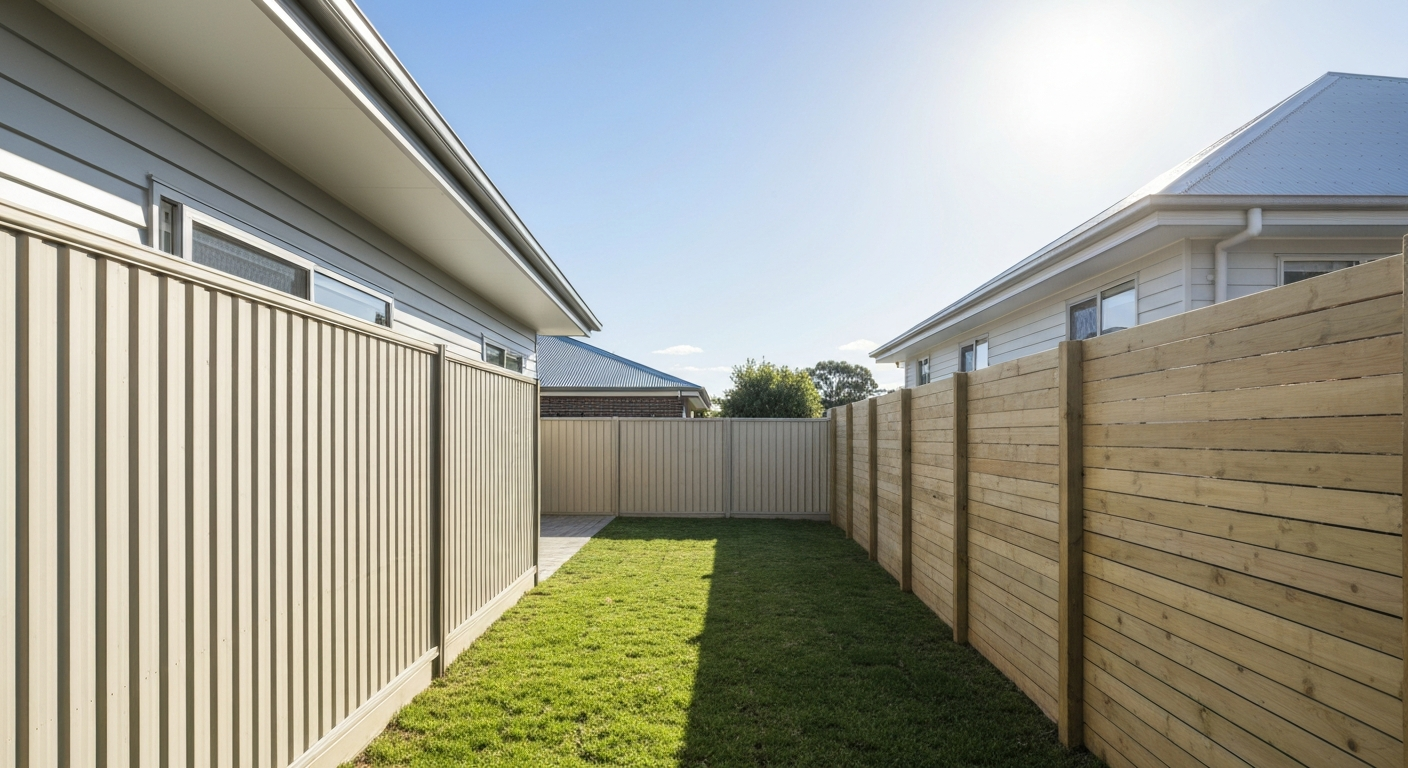
Then there's the issue of repairing. If boards are deteriorating or warped, painting isn't a rescue mission. A great fence company will either replace damaged sections or tell you honestly what can be painted versus what requires repair. The "paint it and really hope" approach is where your budget silently disappears.
Vinyl and composite fencings: paint is possible, however not always wise
Some home owners presume plastic or composite fencings must be left alone because paint feels like an inequality. The bottom line is that not all plastic and composite surfaces react similarly. Some can be painted efficiently with the ideal surface prep and layer system, while others can turn down attachment or degrade too soon, particularly under intense sun.
If you have plastic fencing, a fence company should treat it like a specialized task. That suggests they ought to assess:
- Whether the surface is clean and devoid of oxidation
- How smooth or shiny it is
- Whether there is any kind of previous finish or buildup
- How the fence has matured in your specific sunlight exposure
The adventurous part of hiring a pro is letting them direct you toward the choice that fits your product, as opposed to compeling a "paint anyway" choice. Sometimes the best relocation is a various covering method, or just selecting a maintenance strategy that avoids early peeling.
If somebody assures a resilient paint work on any kind of surface area without looking first, that's a red flag.
Metal fences: rust control and the "rust map"
Metal is remarkable because it shows its problems quick. Rust expands when dampness and oxygen obtain access to the surface area. Once rust begins slipping, it discovers seams around welds, screw heads, and small scratches.
A fence company dealing with metal typically takes a careful search for what I call the corrosion map. You can detect it aesthetically, however often it's also an issue of feel and texture. A a little harsh place can be the start of future scaling.
On metal, the winning action is producing a clean, stable surface area before priming and topcoating. That can consist of brushing, sanding, or using methods suitable to the existing finish and density of coating.
And if your fencing is old and has multiple layers of paint, the work can come to be extra labor-intensive. Removing loosened layers isn't just about appearances. It aids the brand-new system bond and avoids bubbles caused by trapped wetness below old coatings.
The procedure a solid fence company follows
A real professional process really feels systematic, not frenzied. You should have the ability to imagine each step and understand why it's happening.
Here's what a quality fencing paint team typically performs in a well-run task:
They begin with an analysis walk-through. They examine the fencing product, existing coverings, areas of damages, and general problem. Then they intend around the website, including accessibility issues, entrance joints, neighboring plants, and exactly how overspray will certainly be managed.
Next comes surface preparation. That typically means cleansing to remove dirt and organic development, plus scraping and fining sand where needed. If there is peeling off paint, they eliminate what hangs as opposed to painting over it.
Then they prime. Primer is not a one-size-fits-all item. It's picked based on whether they are dealing with bare wood, weathered wood, stained surfaces, or formerly painted locations. For metal, primer option usually targets rust control and adhesion.
Finally, they apply the topcoat. A careful crew understands that several slim layers often outperform one hefty coat. Thicker isn't always much better, particularly when you need tidy edges around slats and a smooth coating that dries out evenly.
Throughout the work, they pay attention to timing. Rain, hefty dew, and high moisture can interrupt drying and curing. If the timetable is tight, an excellent fence company changes as opposed to pushing with a poor weather condition window.
What "daring" resembles on a fencing job
Adventurous does not mean careless. In this context, it indicates flexibility and analytic. Every fence is different. Also 2 fences of the same product can differ extremely based on sunlight exposure, neighboring sprinklers, and what the previous owners did.
I have actually worked with jobs where the "very easy part" was in fact the gate, due to the fact that eviction had been painted sometimes and every hinge line needed regular protection without finishing on moving parts. I've likewise seen fences where half the line beinged in the color and the various other fifty percent baked in full sun. That distinction influenced exactly how promptly boards dried and exactly how the paint flowed.
A skilled fence company treats those distinctions as normal. They intend their process best fencing company around the fence's personality: where it remains damp, where it dries quickly, and where attachment requires added attention.
Common risks that set you back time and money
If you desire the job to work out, it assists to understand where points often tend to go wrong. These are the moments that divide a positive fence company from a crew that simply wishes to end up fast.
The biggest mistakes typically include:
- Painting over loosened or chalky old paint
- Skipping cleaning or rushing mold treatment
- Using the wrong guide for the surface area condition
- Painting in the wrong climate window
- Overlooking repairs, like soft boards or rusted hardware
Let's make it concrete. I when saw a fencing that looked "clean adequate" to paint, other than it had a slim gray film from weathering. The initial coat took place well, the homeowner was thrilled, and then 2 months later on the paint started to peel in sheet-like areas. The bond never ever developed since the surface was compromised. The repair needed scraping and redoing the bonding steps, which set you back far more than doing it appropriate initially.
Another frequent concern is overspray and leaks. A professional staff safeguards the building, utilizes the right strategy for sides, and keeps the finish constant. A hurried staff can leave you with uneven protection or unintended paint on close-by surfaces, which ends up being a new cleanup project.
A sensible timeline, not a dream schedule
Fence painting schedules depend upon size, height, product, condition, and weather. A brief surround great problem can be painted swiftly, particularly if cleansing is marginal and boards are sound. A long, weather-beaten fencing with peeling paint, mildew, and repair work will certainly take longer, in some cases dramatically longer.
Most jobs follow this pattern: preparation takes the longest section since it includes cleaning, scratching, fining sand, and priming time. Topcoats after that adhere to with proper dry and remedy home windows. Even when crews can apply paint promptly, they can not "speed up through" healing if they want durability.
If your job needs to be done by a certain date, discuss that very early. A fence company can adjust work sequencing, plan for partial areas, or schedule around weather report. The earlier the conversation, the less shocks you get.
How to prep your backyard prior to the painters arrive
Your component matters. Also a top-tier fence company can not totally regulate what's taking place about your residential property. Preparing minimizes hold-ups and protects your landscape.
You don't need to do significant improvements. You do need to make the website convenient. In my experience, the most convenient way to stay clear of friction is to establish clear gain access to and allow the crew safeguard what requires protecting.
Before the first day, take into consideration doing the essentials like getting rid of the area along the fence line so devices can move safely, trimming plants that are brushing the fence, and moving cars or patio area furniture that could be influenced by cleaning methods or finish drift.
If you have actually lawn sprinkler heads focused on the fencing, change them briefly. Moistening the fencing while paint is treating is one of those "tiny" issues that can wreck adhesion.
Questions worth asking a fence company
When you interview a fence company, you are looking for judgment, not simply a quote. The conversation must disclose whether they comprehend your certain fencing and whether they plan for durability.
Here are the questions I recommend asking, since they tend to divide surface-level estimators from real craftsmen:
- What prep work actions will you do on my fencing product and existing finish, and what issues are you looking for?
- Which guide and topcoat systems do you intend to use, and why those products for my situation?
- How do you take care of mildew, chalking paint, and loosened layer prior to priming?
- What sort of climate condition will certainly stop job, and how do you set up around curing time?
- Will you include repairs for boards and equipment, or is that a different line item?
If the answers are obscure, or the business declares they can paint over anything with the same strategy, that's not assuring. A strong fencing painting group should fit reviewing the "why" behind their method.
Color choices that look great today and still work later
Selecting a color sounds enjoyable until you understand sunshine changes just how everything looks. Bright colors discolor faster than you might anticipate on sun-baked sections. Dark shades can absorb much more warmth and possibly tension specific surfaces depending upon material and coating.
A fence company can help you analyze just how your selection will certainly execute. They might suggest beginning with test patches on a much less noticeable area. That's particularly useful for fences that have existing discolorations or older finishes, since the base condition can discreetly impact final tone.
Also take into consideration exactly how the fence color interacts with your outside surface areas. If your residence trim is cool-toned white and your fence is warm beige, the comparison can really feel off. If you match the fencing color to cut, the entire lawn frequently looks more intentional.
One little trick that conserves headaches: ask whether the staff's picked paint line provides regular shade matching throughout batches. Some shades shift somewhat in the real world when items are not matched carefully, specifically if you are doing a long run and want uniformity.
Maintenance: the strategy after the first fresh coat
Once the fencing is repainted, the very best upkeep is basic and consistent. You do not need to treat it like a museum. You do need to avoid forget from building into a bigger repaint.
Most homeowners can maintain repainted fencings by doing periodic assessments after storms and seasonal weather changes. Seek spots where moisture gathers at the base, award-winning fencing company where paint has fractured as a result of wood motion, or where mildew returns. Addressing little concerns early is less costly than repainting huge sections later.
If you plan to clean the fence, do it thoroughly. Pressure washing can remove layers if the method is as well hostile. A fence company will certainly typically recommend secure cleansing techniques that don't harm the finish.
When paint is the wrong answer
Sometimes one of the most daring step is choosing not to paint. If a fencing has substantial rot, structural failing, or widespread damage, painting can cover a trouble yet not resolve it. The fence will certainly maintain relocating, absorbing dampness, and falling short at the underlying level.
An excellent fence company will not oversell paint as a wonder remedy. They'll discuss repair work alternatives, replacement timelines, and the trade-offs. Changing harmed boards first frequently sets you back much less than painting a fence that will certainly remain to degrade.
Also, if your fencing has severe corrosion or deeply failing old finishes, an extra involved preparation and coating system might be required. In those situations, a trustworthy company may suggest stripping or utilizing specific guides and topcoats instead of trying shortcuts.
Finding the right partner for your fencing painting project
Fence paint services are one of those projects where the information are the difference in between "it looks great" and "it lasts." If you pick a fence company that understands surface areas, weather behavior, and correct covering systems, you will certainly feel it whenever you walk outside.
The self-confidence comes from clear interaction: they discuss prep, they review product options, and they plan around drying and healing home windows. They deal with repairs as part of the job, not as a second thought. They protect your backyard and keep lines tidy. And when something unexpected programs up, they react with a sensible strategy instead of a shrug.
If you are ready to revitalize your residential or commercial property, breathe and approach it like a mission. Walk the fence line. Notification where it holds moisture. Check out what has fallen short in the past. After that hire a team that values those realities. The outcome is not simply a repainted fence, it is a fence that looks right in your backyard, seasons from currently, and really feels good to own.
If you desire, tell me what your fencing is made of, its approximate length, and whether it has existing paint or stain. I can help you think through the most likely prep work needs and what a sensible finishing strategy typically looks like.